
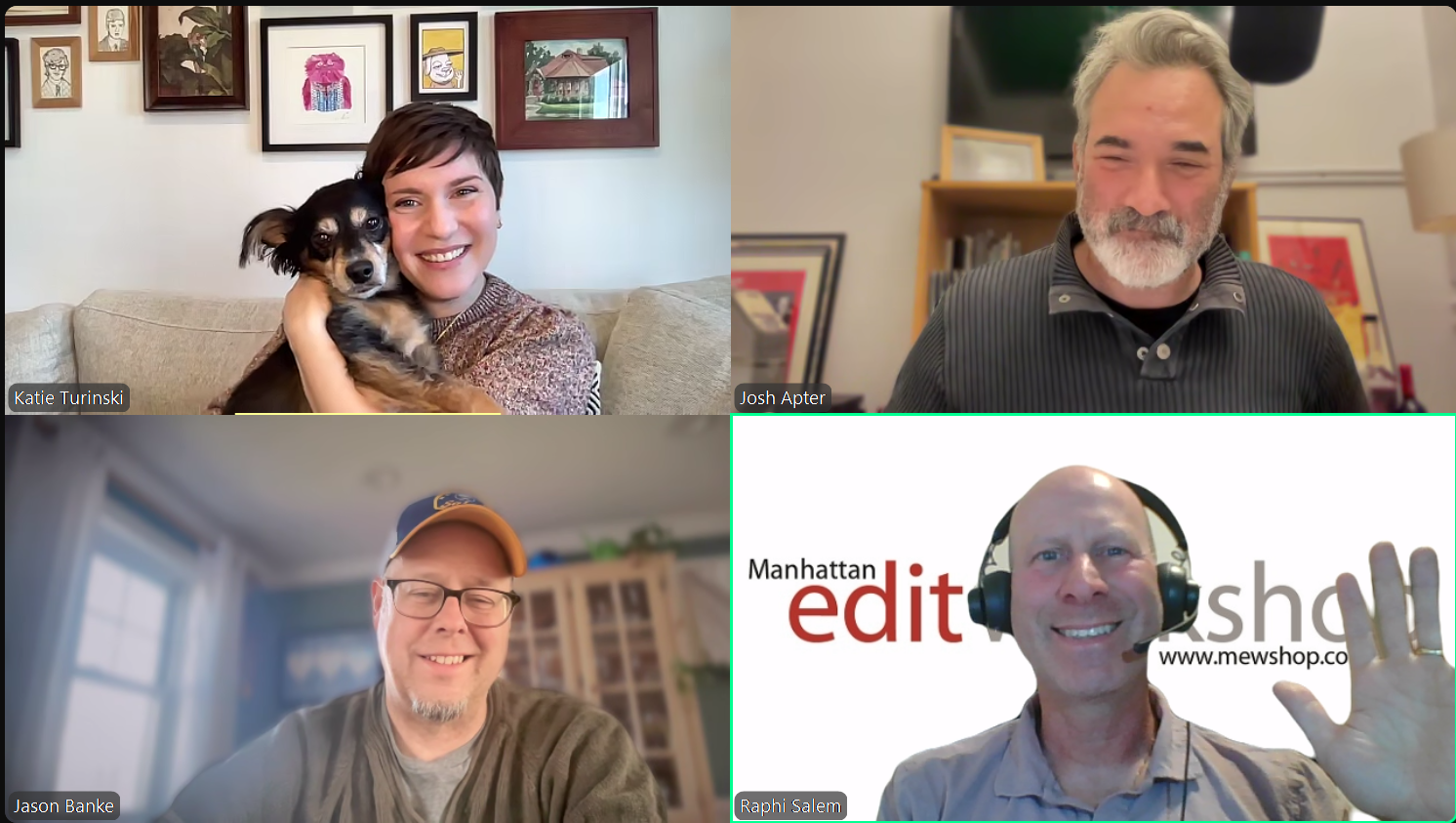
Talking MEWShop: Inside the World of Super Bowl Commercial Editing with Katie Turinski
Manhattan Edit Workshop’s Talking MEWShop series continues its deep dive into the art, craft, and business of professional editing with a standout episode featuring Katie Turinski, award-winning commercial editor at Exile known for cutting Super Bowl commercials, national ad campaigns, and high-profile brand storytelling.
Hosted by Raphi Salem, with Josh Apter and Jason Banke of Manhattan Edit Workshop (MEWShop), this episode offers a rare behind-the-scenes look at commercial editing, agency workflows, and the creative collaboration that shapes some of the most-watched ads in the world.
Manhattan Edit Workshop and the Talking MEWShop Series
Manhattan Edit Workshop is a premier post-production training center in New York City, known for its hands-on instruction in editing software, storytelling, and professional workflows. Through programs like the Six-Week Art of Editing Workshop, MEW focuses not just on how to edit, but why editorial decisions matter.
The Talking MEWShop series extends this mission by bringing working professionals directly to students and the post-production community. Each episode features editors, filmmakers, and creatives discussing their careers, techniques, and real-world experiences in film, television, and advertising.
Meet Katie Turinski: Commercial Editor and Super Bowl Specialist
Unlike many Talking MEWShop guests who come from episodic television or feature films, Katie Turinski represents the world of high-end commercial editing. As an editor at Exile, with offices in New York and Los Angeles, Turinski has worked on major campaigns for brands like Weight Watchers, Doritos, and Irish Spring, including Super Bowl commercials watched by millions.
Her background is especially compelling: Turinski did not attend film school. Instead, she studied painting and drawing, discovering non-linear editing later through Final Cut Pro classes. Her editorial career began in broadcast news, followed by an apprenticeship that introduced her to Avid Media Composer and the advertising industry.
From Wieden+Kennedy to Exile: A Career Built on Craft and Mentorship
Turinski’s breakthrough came at Wieden+Kennedy in Portland, where she worked inside the agency’s in-house editorial department. Starting as an assistant editor, she spent nearly a decade learning directly from some of the industry’s top commercial editors, many of whom cut Super Bowl ads and award-winning campaigns.
She describes this period as her true “film school,” emphasizing the importance of mentorship, repetition, and exposure to elite creative work. That foundation eventually led her to Exile, where she has continued to build a reputation as a versatile editor across commercials, branded content, and documentaries.
How Super Bowl Commercial Editing Really Works
One of the most valuable parts of this Talking MEWShop episode is Turinski’s breakdown of the commercial post-production process. Unlike long-form editing, commercial editing is highly collaborative and agency-driven.
Typical workflow includes:
Early bidding and creative development
Editing rip films or ripamatics using found footage to sell a concept
Collaborating closely with directors and agency creatives
Managing feedback from multiple stakeholders, including clients and executives
Creating multiple deliverables: 30s, 15s, 6s, and extended cuts
Turinski emphasizes that editors are not just button-pushers—they are creative problem solvers responsible for maintaining the best version of the idea while navigating layers of feedback.
The Editor’s Role: Craft, Psychology, and Running the Room
A recurring theme throughout the conversation is that editing commercials is 50% creative and 50% interpersonal. Turinski describes the editor as the person “running the room,” managing energy, expectations, and collaboration during long days with agency teams.
This aligns closely with Manhattan Edit Workshop’s philosophy, which stresses that professional editors must develop:
Strong communication skills
Emotional intelligence
Confidence in creative decision-making
The ability to guide clients through the process
As Josh Apter notes, successful editors balance great technical skill with the ability to build trust and manage relationships.
Commercial Editing, AI, and the Future of Post-Production
The group also touches on AI in editing, particularly in commercial workflows. While Turinski acknowledges AI’s growing role in previsualization and scratch voiceovers, she emphasizes that high-end commercial editing still relies heavily on human judgment, taste, and collaboration.
For now, AI remains a tool, not a replacement—especially when it comes to storytelling, performance, and creative nuance.
Lessons for Aspiring Editors
When asked to advise emerging editors, Turinski highlights three key takeaways:
Work hard and stay curious
Surround yourself with people doing the work you admire
Learn through mentorship and real-world experience
These principles echo the mission of Manhattan Edit Workshop, making Talking MEWShop an invaluable resource for students, assistants, and professionals alike.
Watch More from Manhattan Edit Workshop
This episode of Talking MEWShop with Katie Turinski is part of MEWShop’s growing library of conversations with top editors, colorists, sound designers, and filmmakers.
To explore more episodes, workshops, and events, visit mewshop.com and discover how Manhattan Edit Workshop continues to shape the next generation of post-production professionals.