
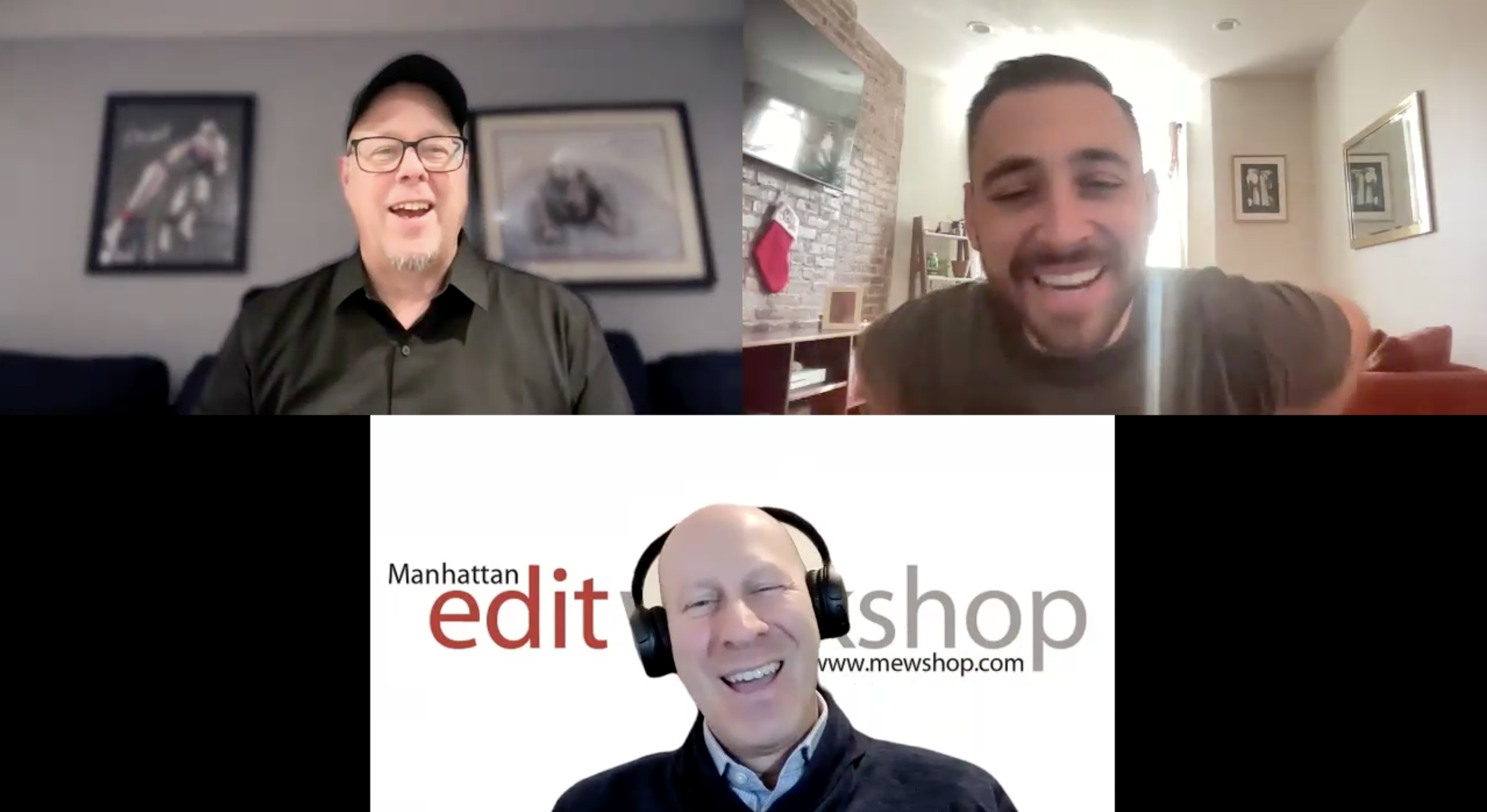
In the latest Talking MEWShop episode, MEWShop sits down with Rob Murray, Director of Sales & Enterprise at Slipstream, to explore the evolving world of music licensing, copyright, and creative workflows.
What Is Manhattan Edit Workshop (MEWShop)?
For over 20 years, Manhattan Edit Workshop (MEWShop) has been a leader in post-production training, offering courses in editing, color grading, sound design, visual effects, and video production. With both in-person and online classes, MEWShop helps aspiring editors and filmmakers build real-world skills—including professional demo reels essential for landing jobs in the industry.
A standout program is MEWShop’s Six-Week Intensive Workshop, where students learn both technical tools and storytelling aesthetics. A key challenge students face? Finding copyright-safe music for their portfolios—this is where Slipstream comes in.
Slipstream: Solving Music Licensing for Creators
Slipstream, formerly connected with Jingle Punks, has become a major player in royalty-free music licensing for creators, brands, and production companies. With a library of over 600,000 songs and 300,000 sound effects, Slipstream offers scalable solutions for everyone from YouTubers to enterprise clients.
Rob Murray explains that one of the biggest misconceptions is around the term “royalty-free.” It doesn’t mean free—it means users pay for access without ongoing royalties, ensuring content remains safe from copyright claims on platforms like YouTube.
This is critical in today’s content landscape, where automated systems constantly scan uploads for copyrighted material.
How Slipstream’s Music Library Works
Slipstream’s platform is designed with editors and creators in mind. Key features include:
Advanced Search Tools: Users can search by genre, mood, or even descriptive phrases like “awkward family dinner with tension.”
Stems & Submixes: Tracks come in multiple versions (15, 30, 60 seconds) and variations (instrumental, no drums, etc.).
AI-Powered Discovery: AI helps users quickly find the right track without hours of searching.
Soundtrack Tool: Upload a video, and Slipstream suggests music tailored to your visuals.
This workflow is especially valuable for editors who need fast, flexible music solutions that match pacing and tone.
Music Licensing for Creators vs Businesses
Slipstream offers different licensing models:
Creators: Affordable subscriptions covering social channels with full copyright protection.
Businesses & Enterprises: Custom licensing based on output, distribution, and usage (broadcast, streaming, etc.).
This flexibility ensures that whether you’re a solo creator or a production company, you can access high-quality, legally safe music.
The Role of AI in Music Licensing
While AI is transforming many industries, Slipstream takes a balanced approach. As Murray explains, all music in their library is 100% human-made, ensuring authenticity and avoiding legal gray areas.
However, AI is used to enhance search, improve user experience, and streamline discovery—a crucial advantage in massive music libraries.
Career Advice for Aspiring Creators
One of the strongest takeaways from the conversation is simple: ask questions.
Murray emphasizes that curiosity and communication are key to growth, especially for students and career changers entering the creative industries. This aligns perfectly with MEWShop’s mission of fostering hands-on learning and mentorship.
Final Thoughts
The collaboration between Manhattan Edit Workshop and Slipstream highlights a critical intersection of education, technology, and creativity. As content creation continues to grow, understanding music licensing, copyright, and workflow efficiency is more important than ever.
Whether you’re an editor building your reel or a brand producing content at scale, platforms like Slipstream—and training from MEWShop—are essential tools for success.