
For decades, Avid Media Composer has been one of the defining tools of professional film and television editing. As post-production continues to evolve through cloud collaboration, artificial intelligence, and increasingly sophisticated media-management tools, Avid is evolving with it.
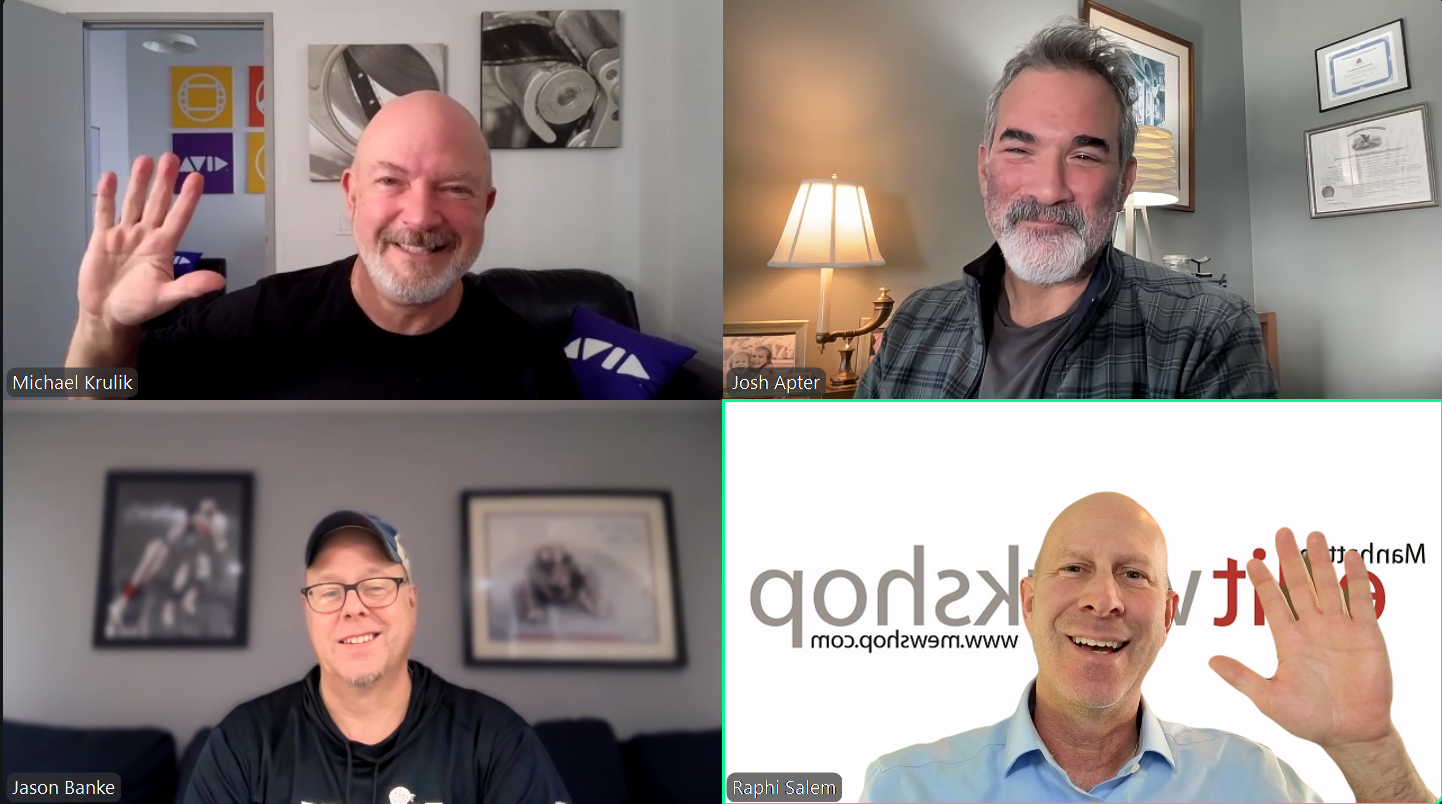
In a recent conversation with Michael Krulik of Avid, Manhattan Edit Workshop explored how professional editing has changed, why Media Composer continues to play such an important role in high-end post-production, and how emerging AI technology could reshape the way editors work.
For aspiring editors, the conversation also reinforces an important lesson: technology will continue to change, but understanding the fundamentals of professional editing remains essential.
Why Avid Media Composer Still Matters
Avid Media Composer has long been associated with professional editorial workflows in feature films, episodic television, documentaries, and other large-scale productions.
One of Avid's major strengths has always been its approach to organization and media management. Professional editors often work with enormous amounts of footage, multiple versions of sequences, assistant editors, producers, and other members of a post-production team.
That edits about much more than simply assembling shots.
Editors need to understand how media is organized, how projects are structured, how material moves through a professional post-production environment, and how to work efficiently while maintaining creative control.
These are skills that remain valuable even as individual editing tools continue to evolve.
Learning Avid Can Build a Strong Editing Foundation
During the discussion, MEWShop founder Josh Apter recalled why Avid became such an important part of Manhattan Edit Workshop's curriculum.
He compared learning Avid to learning how to drive a manual-transmission car. Once you understand the underlying mechanics and professional workflow, moving between editing platforms can become easier.
That doesn't mean editors should learn only one system.
Today's editors may move between Avid Media Composer, Adobe Premiere Pro, DaVinci Resolve, and other tools depending on the production.
But learning Avid can help students develop a deeper understanding of professional editorial structure, media management, trimming, organization, and workflow.
For anyone hoping to work professionally in film or television post-production, that foundation can be extremely valuable.
Michael Krulik on Avid and the Changing Post-Production Workflow
The conversation with Michael Krulik also looked toward the future.
Artificial intelligence is becoming increasingly integrated into professional post-production software, but much of its immediate value isn't about replacing editors. It's about helping editors deal with the enormous amount of material that surrounds the creative process.
Modern tools can assist with tasks such as transcription, dialogue searching, locating footage, organizing media, and finding specific moments within large amounts of material.
For editors working with hours—or sometimes hundreds of hours—of footage, tools like these can significantly reduce the amount of time spent searching for material.
That gives the editor more time for what matters most: making creative decisions.
AI Can Find the Footage. The Editor Still Has to Tell the Story.
This distinction is especially important as generative AI becomes one of the biggest conversations in filmmaking and post-production.
An AI-powered tool might help an editor locate every instance of a particular word or phrase.
It might help identify clips or organize media.
It may even dramatically speed up tasks that once required an assistant editor to manually search through footage.
But finding a shot isn't the same thing as knowing where that shot belongs.
Professional editing depends on decisions involving:
performance
emotion
pacing
rhythm
tone
screen direction
character
audience expectations
narrative structure
Those decisions are at the heart of the editor's craft.
As editing technology becomes more powerful, understanding storytelling may become even more important.
Why Editors Should Learn More Than Software
One of the recurring themes behind Manhattan Edit Workshop's approach to education is that learning editing software and learning editing are not the same thing.
Knowing the interface is important.
Knowing keyboard shortcuts is important.
Understanding media management and professional workflows is important.
But the ultimate purpose of those skills is storytelling.
A professional editor has to understand why one performance works better than another, when to cut, when not to cut, how long to hold a reaction, how to build tension, and how to guide an audience through a story.
Those principles remain relevant regardless of whether an editor is working in Media Composer today or using technologies that have yet to be invented.
Learn Avid Media Composer at Manhattan Edit Workshop
For editors who want to build those professional skills, Manhattan Edit Workshop offers instructor-led Avid Media Composer training designed around real-world post-production workflows.
MEWShop is an Avid Learning Partner, offering structured Avid training for students, aspiring editors, filmmakers, and working professionals who want to strengthen their Media Composer skills.
Courses cover core areas of professional editing, including project setup, media organization, editing techniques, audio, effects, trimming, and media management.
Editors coming from another platform can also expand their skill set by learning how Avid approaches professional editorial workflows.
For students looking for a more immersive experience, Avid Media Composer training is also an important component of MEWShop's Six Week Intensive, where students combine software training with hands-on editing, film theory, critique, portfolio development, and career preparation.
Preparing for the Future of Editing
Michael Krulik's conversation about Avid highlights where professional post-production appears to be heading: more powerful tools, faster ways to search and organize footage, deeper automation, and increasingly intelligent software.
But those developments don't eliminate the need to understand editing.
They increase the importance of knowing what to do with all of that technology.
For anyone interested in becoming a professional editor, learning Avid Media Composer can provide both practical software knowledge and a foundation for understanding professional post-production workflows.
And as the tools continue to change, the most valuable skill remains the same:
knowing how to tell a story.
Start Learning Avid Media Composer
Whether you're beginning your career in post-production, moving from another editing platform, or looking to strengthen your professional workflow, Manhattan Edit Workshop offers Avid Media Composer classes taught by experienced instructors in a structured, hands-on learning environment.
Explore Avid Media Composer training at Manhattan Edit Workshop and start building the technical and storytelling skills needed for professional post-production.